
On Growth, Hiring, and Thinking Long Term
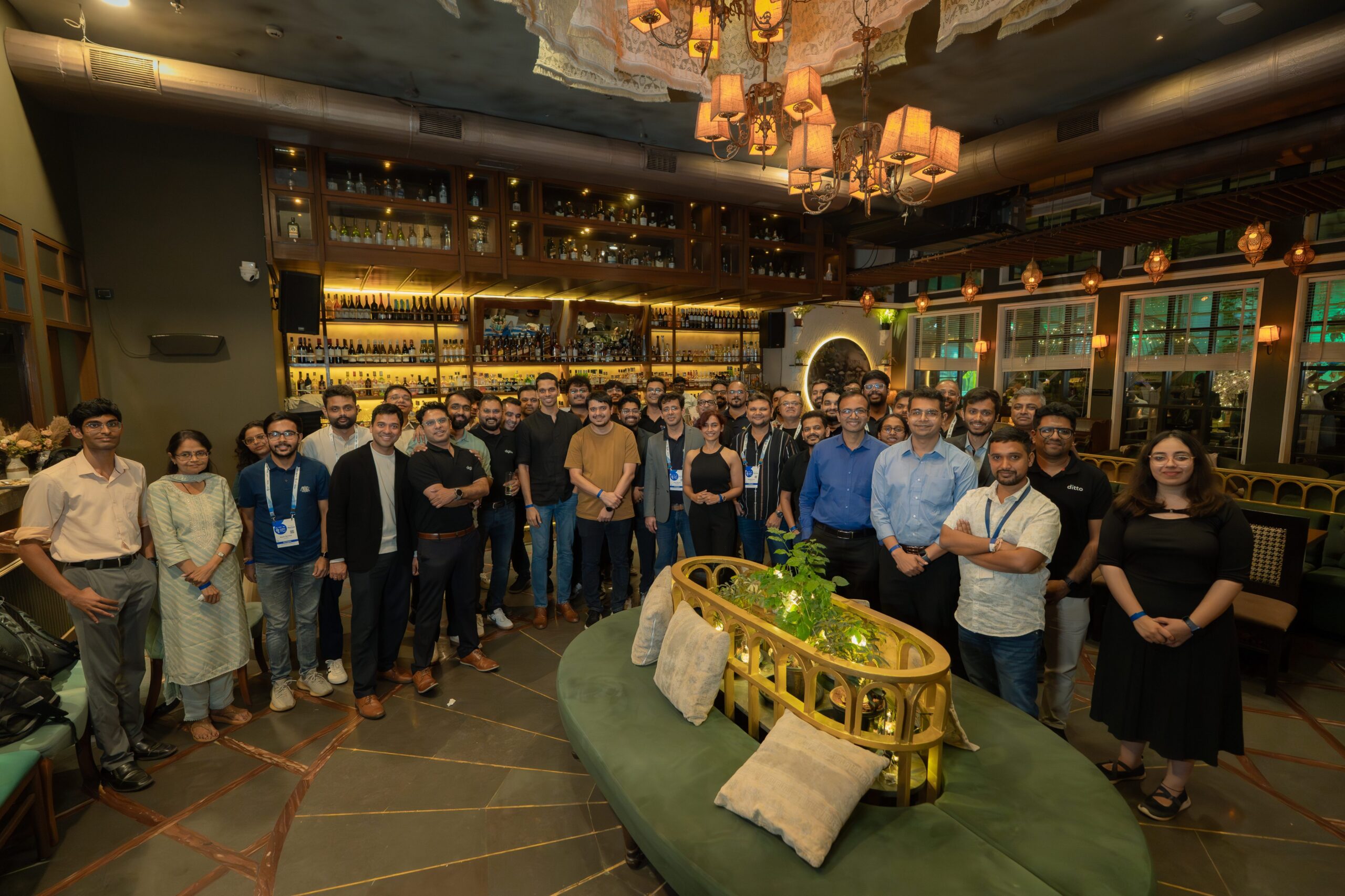
Last month, we had dinner with some of the founders we have backed through Rainmatter. This was in the backdrop of GFF, so the meetup was largely with founders from the fintech ecosystem who were in Mumbai then. Btw, if you’ve not been tracking, we have over 130 startup investments of which a third are in Fintech.
These gatherings are something we look forward to all year. We get to learn what’s happening in different sectors, founders discover ways to help each other, everyone leaves smarter than they arrived.
But the real reason is maybe simpler. We’re all friends and enjoy spending time together talking about business, life, and everything in between.
During this dinner, our founders asked questions that stuck with us. Not just relevant to them, but to anyone building a company. K, Zerodha’s CTO, spent time answering them. His insights seemed worth sharing more broadly.
1. The Growth Trap
Everyone talks about growth. Grow fast. Grow big. Grow at all costs.
But here’s what rarely gets said, that’s not the only way to build a business. Especially in financial services.
Who decided you need to grow X% per year? Who said you need to ship X features? Who mandated that your daily active users must climb X% each quarter? Who decided you need to raise money just because your competitor did?
Most of these milestones are self-imposed. Or they come from people who don’t fully understand your business or your goals (investors, advisors, well-meaning outsiders).
Having a north star is useful. It keeps teams motivated and ready to push boundaries when opportunities appear. And startups exist to push boundaries. But mindlessly chasing outcomes, with poorly designed incentives, always ends badly.
2. How We Hire
People often ask how we find employees who seem genuinely happy with their work.
The answer is disappointingly simple: we’re careful about hiring.
We never set out to fill X roles by Y date. We don’t treat hiring like a checklist. We hire people who are in it for the long haul, who align with our philosophies, and have their expectations set right. We hire people with good skills who have the ability to learn quickly and work well in a team rather than the number of years they have. There are no titles or a conventional career ladder. Career growth is the increase in responsibilities given to an individual and the risk they are allowed to take. Financial growth is tied to personal and professional growth in this manner, not titles or hierarchy.
Still, hiring comes down to luck, too. You can do everything right and still hire someone whose priorities shift six months later. That’s okay. What’s not okay is avoiding honest conversation when things change.
People’s goals evolve. Nobody should be forced to stay the same person they were last year. But when we hire, the non-negotiable is this: you have to be a team player who is willing to continuously learn and do what has to be done to keep moving the ship forward.
3. Work and Life
Beyond the tactical discussions about growth and hiring, we spent time talking about time away from work. What keeps us going. The ideal scenario is finding work that doesn’t feel like work. But for most people, most of the time, work is work. There’s no silver bullet.
Across our teams, we encourage people to pick up hobbies, side projects, and even work projects outside their job description. An analyst might work on a research project. Someone might join a community or volunteering initiative. You get the idea.
Work and life are what we make of them. It’s up to us to make them meaningful.
In everything we do, we should find meaning. Do fewer things. Do them better.
4. Decades, Not Quarters
At Zerodha, we think in decades.
It’s easier said than done. But it shapes how we decide what to do, what to say, and what to plan for. When we think about products and features, we don’t optimize for the short term.
This isn’t blanket advice. Some things need urgency and immediate action. But product philosophy, team building, and roadmaps should always be viewed through a long-term lens.
Enough gyaan. I think the catch up was all about all the good work our startups are doing to further the capital market ecosystem. When we started Rainmatter in 2016, Fintech was the only vertical we were investing in. We wanted to enable more founders building for India. Building thoughtfully. But all pushing in the same direction – helping Indians do better with money.
We are only getting started. 🙂

”This was an incredible read, and I will definitely be implementing these insights in my own start-up. I’ve always admired the culture you’ve built. Initially, I decided to bootstrap because I wanted to focus on sustainable profit and stable growth—treating business like a marathon rather than a sprint. That philosophy dictates how I hire and scale. It’s refreshing to see an investor like Rainmatter give founders the space they need to build. If I ever decide to raise capital, it would be with a partner like you; choosing the right partner for this journey is far more important than just taking money from a random VC.”
Hi Dinesh. Big fan of your tweets on cricket and life.
Cheers 🙂
Hi Dinesh. Big fan of your tweets on cricket and life.
Leaving this comment here in the hopes that it gets read by Dinesh!
Im not sure if Rainmatter does very formal job posts which is why I sent and InMail and tried to reach out to you with a short introduction and my CV. I love Rainmatter’s investing vision specifically in the Climate tech sector and would love to contribute in any way possible!
We are not hiring at the moment. But if we do, we will post it on careers.zerodha.com
This resonates, especially ‘decades, not quarters’. I’m independently building a SEBI-safe, compliance-first AI market-intelligence system focused on structured insights (not advice) for retail users. Would value guidance on whether this aligns with Rainmatter’s long-term fintech thesis.
Do send some details across on [email protected]