
Introducing VoltSeal
More recently, a consistent theme across all of our investments at Rainmatter has been a serious intent to back startups operating at the intersection of structural change and genuine commercial viability. Energy transition in India offers both. And finding teams that have worked answers for a tough sector like power is tough. VoltSeal is one such team.
If you’ve followed my socials, I have been ranting about the need for India to do more to ensure grid stability, reduce transmission losses, and diversify the energy mix we rely on as a country. I dont think it will all happen magically overnight. And nor should we just wait for the Govt to do something about this. Private sector, VCs, PEs, and Family offices will also have to take bets that are going to reshape how energy is distributed, transmitted, and stored in the country.
But all said and done, India’s power system is caught in a paradox today. Renewables now account for ~40% of installed capacity, and solar additions are accelerating. India installed ~35 GW in 2025 alone and is expected to add roughly twice that this year. Yet reliability remains a problem. Let me explain what I mean,
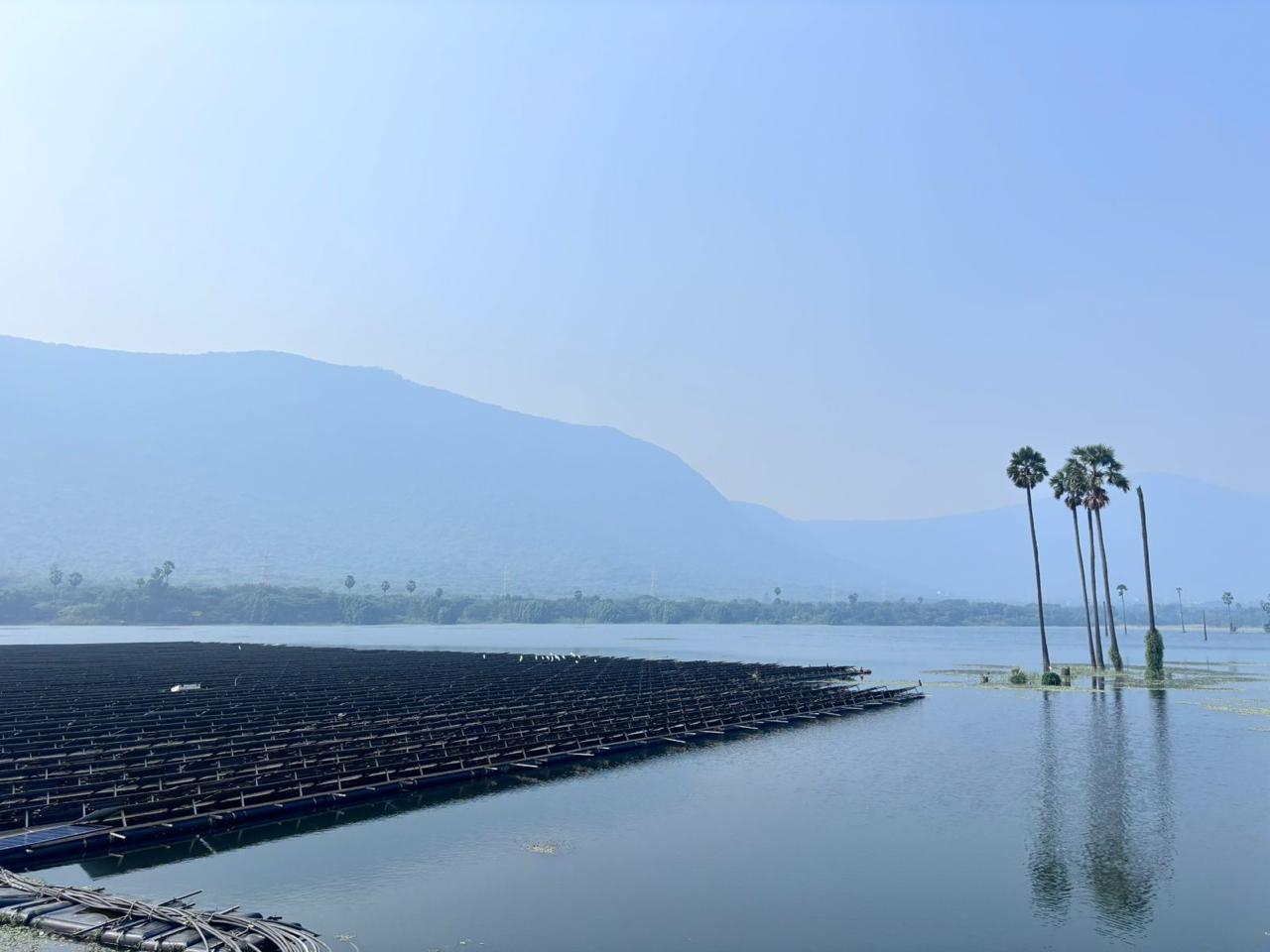
India’s grid has plenty of generation capacity on paper, but the timing of that generation increasingly mismatches when power is actually needed. Solar produces abundantly between 9 am and 5 pm, but industrial and commercial demand peaks in the evening. There’s no storage to bridge that gap at scale, so the surplus daytime solar either gets curtailed (wasted) or crashes power exchange prices, while evening demand still has to be met by thermal plants or, at the site level, diesel generators.
So yeah, daytime power exchange prices have collapsed to Rs 2–5 per unit as solar floods the grid, while commercial and industrial consumers continue to pay Rs 9–15 per unit to their DISCOMs, and large swathes of industry still rely on diesel generators at Rs 30–40 per unit for backup. The grid is energy-rich and flexibility-poor.
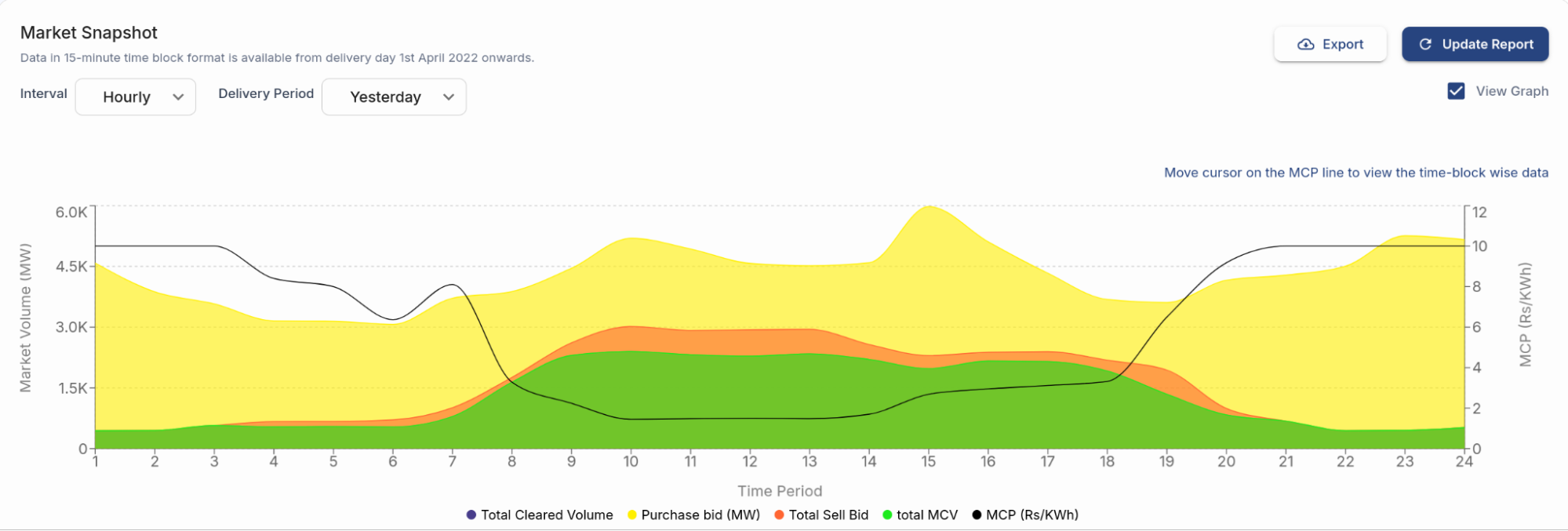
IEX market snapshot chart for 8/6/2026
- This is a snapshot from India’s power exchange (likely IEX) showing yesterday’s market. The yellow area is how much power solar plants want to sell. It peaks massively between 9 am and 2 pm when the sun is out. The black line is the price (MCP), and you can see it crashes to nearly Rs 1–2/unit during those same midday hours, precisely because there’s so much solar supply chasing limited buyers.
- By evening (hour 18 onwards), solar disappears, the sell-side collapses, and the price spikes back up to Rs 10–12/unit as thermal plants take over.
- The green area (scheduled volume — power that actually got bought and delivered) barely registers compared to the yellow sell bids during the day. That gap between yellow and green is essentially the curtailment problem made visible — surplus solar that found no taker.
This chart is a good illustration of the exact opportunity VoltSeal is targeting – buy cheap energy during those midday hours, store it, and sell or use it in the evening. Simple right?
But in India, the missing piece is storage, specifically, distributed storage deployed close to where power is actually consumed. The economics of doing this have changed dramatically in recent years. LFP battery cell prices have fallen from over $1,500 per kWh in 2010 to roughly $50 today. At current installed system costs, BESS for commercial and industrial customers offers a 3–4 year payback based entirely on today’s energy cost savings, with no dependence on future policy changes or further cost declines.
VoltSeal is building exactly this – modular lithium-iron-phosphate battery systems deployed directly at commercial and industrial sites, paired with a software layer that optimises how those assets store, shift, and dispatch power. Each installation replaces diesel backup, stores rooftop solar for evening use, and enables customers to buy cheap daytime power from India’s Green Open Access Market and discharge it when grid tariffs are high.
The longer-term vision is to aggregate these distributed batteries into Virtual Power Plants (VPP) – a software-enabled network that can provide grid-balancing services, participate in electricity markets, and function as a decentralised utility layer across industrial clusters.
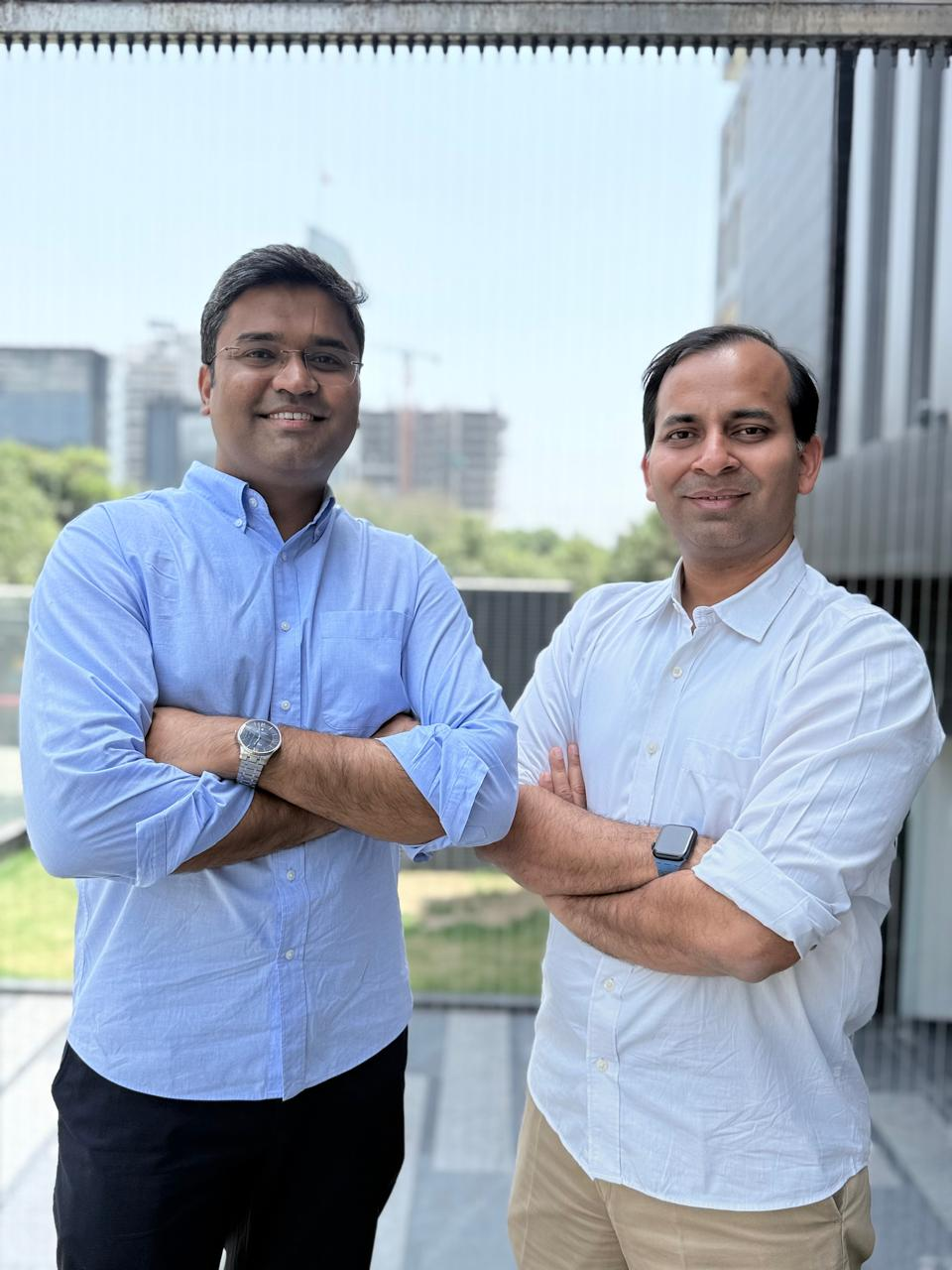
We spent time with Mudit and Abhijeet, and what stood out quickly was not just the problem, which many people can articulate, but their depth of understanding of how the Indian power market actually works. Mudit brings over 18 years in the energy sector, including time at the World Bank and NITI Aayog, and wrote one of the early substantive papers on open access while at the World Bank. Abhijeet brings a decade of corporate strategy and commercial execution experience. The combination of policy depth and commercial discipline matters a great deal in a sector where regulatory dynamics are as consequential as technology.
VoltSeal is pre-revenue and early, and that’s absolutely fine. There is hardware deployment execution ahead of them, a complex regulatory environment to navigate, and a long road before the VPP vision becomes operational.
But what they are really building for is an abundant solar supply combined with lower battery costs and liberalised power market regulation. So timing, check!
We are glad to be backing them at the start of that journey.
And we know that one fine day, the DISCOMs or the Grid can rely on them to also change customer behaviour and figure out a way for India to be smart about power consumption.
