
Follow-on investment – PadCare
Sanitary waste is a large, invisible problem.
Over 12 crore women in India use sanitary pads. This results in billions of pads being generated every year, most of which end up in landfills or are burned. The bulk of used sanitary waste is disposed of in an unsafe and unscientific manner. This has an impact on both health and the climate, with waste often leaching into the soil. There is a disproportionate impact on waste workers as well.
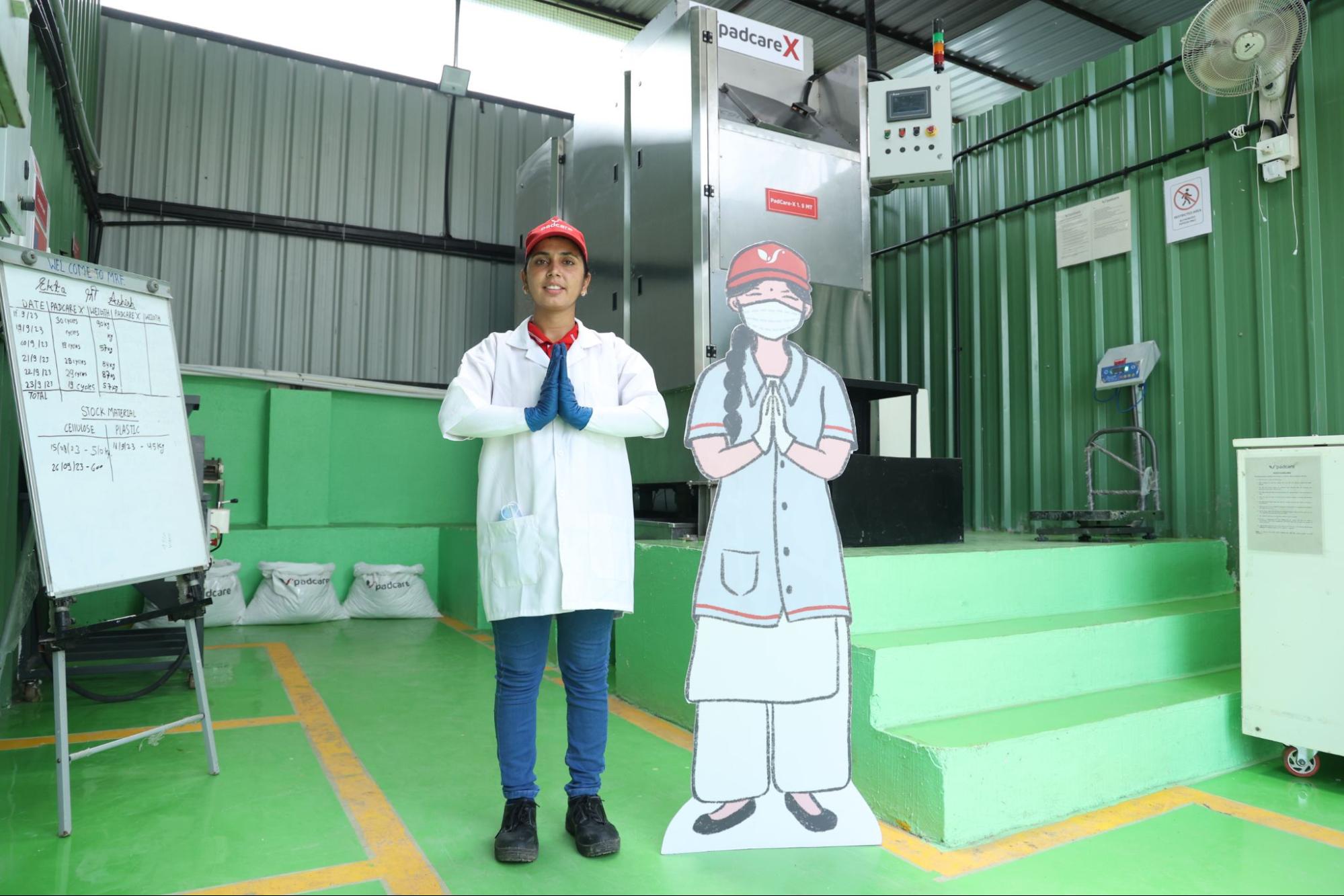
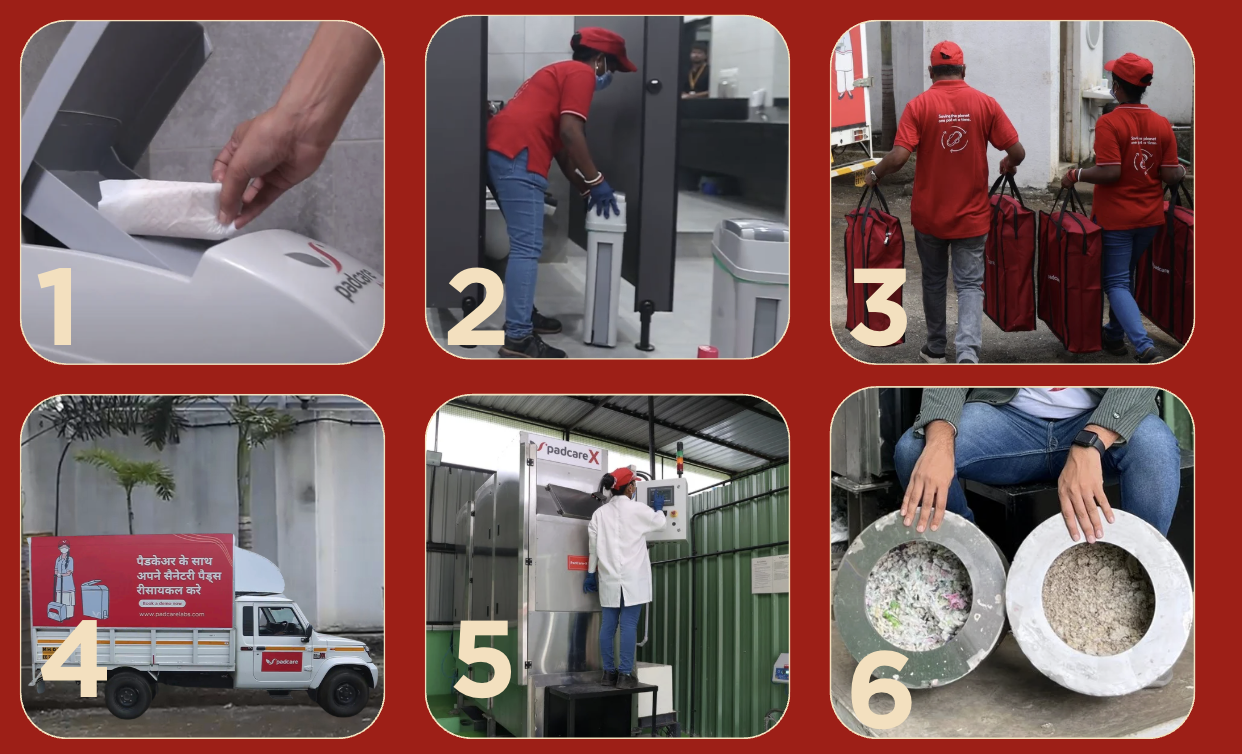
PadCare is trying to fix this by building systems to collect and recycle used sanitary pads at scale. Their approach focuses on recovering plastic and cellulose from pads instead of incineration or dumping.
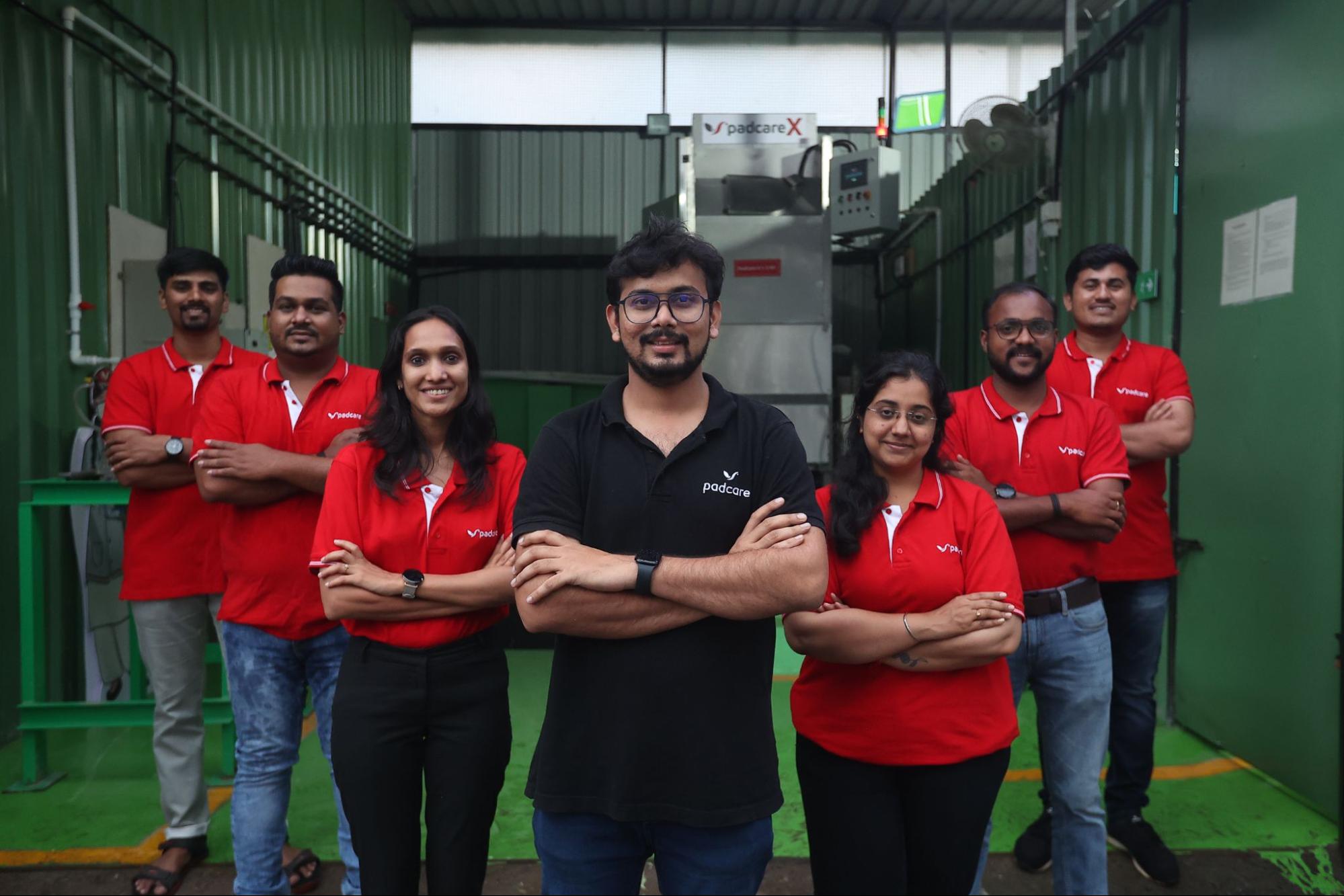
We invested in PadCare in 2022 with a small cheque. Since then, the team has steadily built the business—growing substantially, expanding across cities, and operating profitably in a space that is operationally intensive.
We’ve chosen to reinvest because the broader problem remains unsolved and because PadCare has shown both intent and execution over the last three years that we’ve been privileged to be part of.
This is long-term work. It needs patience, capital, and long-term intent. We’re glad to continue supporting PadCare as they do that.
Here’s Ajinkya from Padcare talking about his journey:
 “In 2018, during a landfill visit in Pune, I saw a sanitation worker manually separating sanitary waste with no safety gear. That moment made me uncomfortable in a way I could not ignore. I realised that when we say “dispose,” we are not solving anything; we are just transferring the problem to someone else.
Over time, we built our own decentralised collection system and a patented recycling process that actually works at scale, with a 1000 MT processing capacity. Today, PadCare processes sanitary waste across 24 cities, recovers usable material for industrial application, and prevents it from ending up in landfills or water bodies.
What keeps me going is knowing that the technology that is designed is protecting women’s health, creating safer livelihoods for sanitation workers, and reducing long-term environmental damage.
As long as sanitary waste is treated as invisible, I feel a responsibility to keep building.”
