
Introducing Sukino
Since inception, a consistent thread across our investments at Rainmatter has been a focus on backing businesses that are built not just for long-term success, but for meaningful, enduring impact. We look for teams that are deeply aligned with this philosophy, solving real problems while building with intent and integrity. Sukino stood out to us early on in exactly this way.
It is easy to try to fit companies into familiar categories, but Sukino resists that. What they are building is best understood more simply as a care provider in the truest sense. This is reflected not only in the services they offer but also in how they engage with patients and families at what is often one of the most vulnerable points in their lives.
We spent some time with Rajinish and the team, and it took us quite literally an hour to decide to support them in their next phase of growth. What stood out was not just the opportunity but the clarity of thought, depth of empathy, and the discipline with which they are approaching a complex and underserved problem.
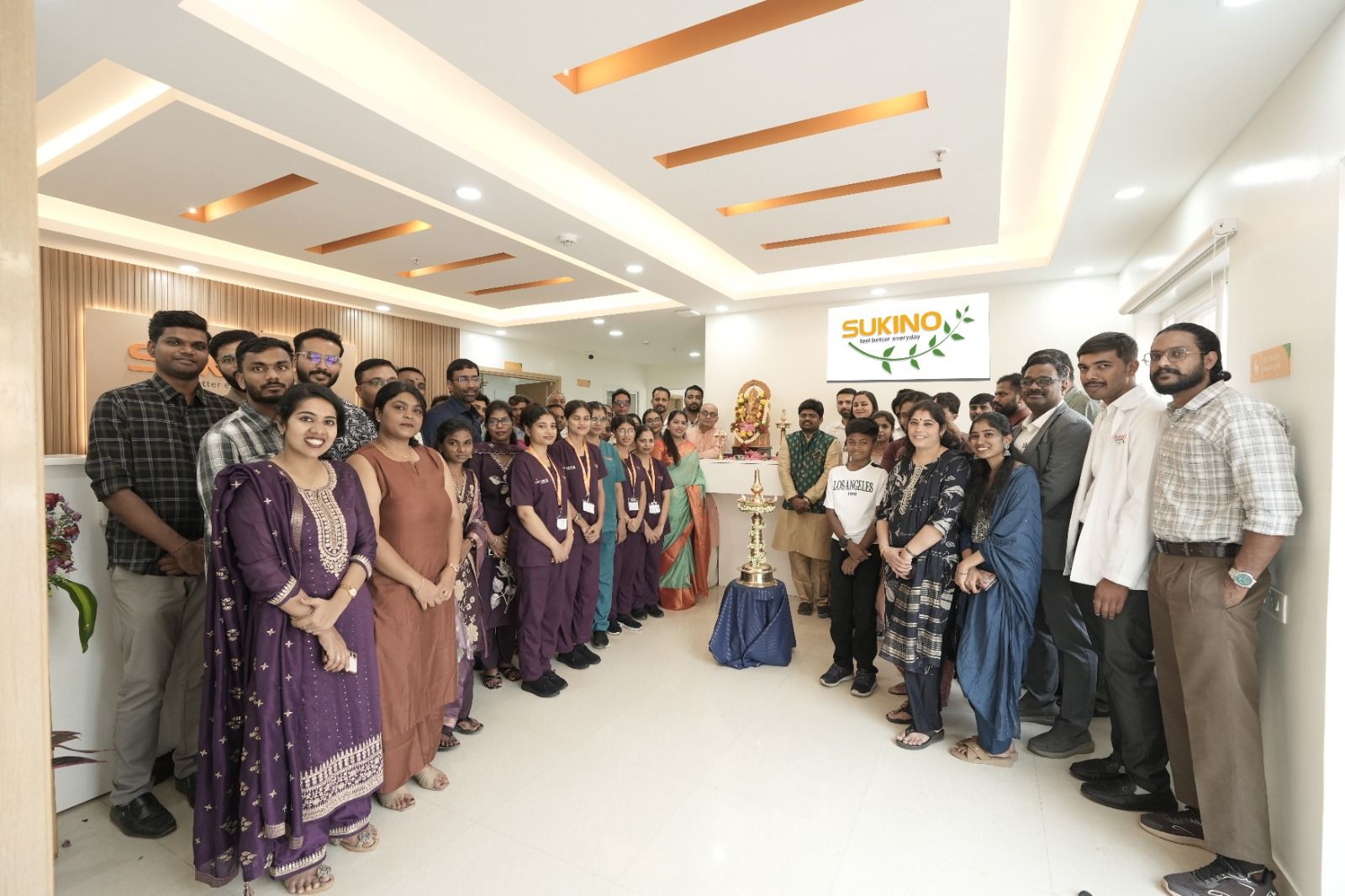
One thing that stood out to us during our diligence was the scale of the underlying need. India contributes a significant share to the global stroke burden, estimated to be close to 10%, with over a million new cases reported each year. This number continues to rise, driven by lifestyle factors such as sedentary habits, hypertension, stress, obesity, and air pollution.
At the same time, recovery pathways remain fragmented. For many patients, discharge from a hospital is not the end of treatment but the beginning of a long and critical phase of rehabilitation, often requiring six to eight weeks of coordinated physical, speech, occupational, and psychological therapy.
This is where the gap becomes evident. Extended hospital stays are expensive and, in many cases, not covered adequately by insurance, making them financially unviable for most families. Home-based care, while more accessible, often lacks the structure and clinical oversight required for optimal recovery outcomes. What emerges is a clear need for an intermediary layer of care, one that combines clinical rigour with accessibility.
Sukino is built to address exactly this gap. Their model focuses on delivering extended rehabilitative care in a setting that is both clinically robust and more cost-effective than traditional hospital environments. Importantly, the broader ecosystem is also beginning to evolve in ways that support this model. Insurance providers are gradually expanding coverage beyond acute hospitalisation to include rehabilitation, often covering recovery periods of 60 to 90 days. This shift has the potential to significantly reduce out-of-pocket expenses and improve access to structured recovery care.
We are also seeing a gradual but meaningful shift in social attitudes. Historically, there has been some hesitation around out-of-home recovery care. However, families are increasingly recognising that specialised rehabilitation environments can deliver better outcomes than unstructured alternatives. This growing acceptance is an important tailwind for the category.
Sukino’s execution so far reflects both the demand and the strength of their approach. The company today operates over 850 beds across 11 centres in Bangalore, Kochi, and Coimbatore, with facilities strategically located between major hospitals and residential catchments. While stroke rehabilitation remains a key focus area, their centres also support patients across neurological, orthopaedic, and oncology recovery needs. Over the past year, the business has grown at over 60% year-on-year, alongside the addition of 7 new centres. Looking ahead, the team plans to expand to 22 more centres over the next two years, adding around 1,500 beds.
For us, this investment is not just about the opportunity in front of Sukino, but about what it represents for healthcare more broadly. Recovery and rehabilitation have long remained underdeveloped layers of the system, despite being critical to patient outcomes. By building a model that makes this phase of care more accessible, structured, and outcome-driven, Sukino is helping address a deeply underserved need.
That, ultimately, is what we aim to back: teams that are quietly but meaningfully reshaping the way essential services are delivered. Sukino is one such team, and we are glad to be part of their journey.
