
Recruitment needs proof
Back in 2021, when we started backing startups in the climate and sustainability, we knew we were out of our depth. Let me qualify that statement. For the longest time before 2020, Zerodha was very keen to give back and help with community projects through CSR or otherwise. But we were all conscious of the fact that without focused efforts, and a team that could pick one problem, all the money, time, and effort would not really benefit anyone except the fancy CSR reports we could publish with photos as proof that something was happening. Checkbox – ticked. Impact – not so much. Which is why, around 2020, we set up Rainmatter Foundation, which would focus all the efforts on Climate and Livelihoods- the most pressing problem of our times and the times to come, I guess. Story on the Foundation for some other day. But long story short, as we started supporting non-profit organisations in the climate space, it was only natural that we received requests from entrepreneurs who were also starting up and working on audacious projects. It took us quite literally no time to decide that we must support all the entrepreneurs who are also doing their bit. So yeah, we did not start investing in climate because we had the data, expertise or know-how of building for probably the most complex problem of our times. It happened because we started meeting people who we think will ideate, solve and build a community around this problem.
We get asked why we are investing in Climate while other VCs are not. Or we get asked why we continue when other VCs have stopped. Or we get asked, what is the point of it all. If you ask me, the last question is most pertinent. What is the point of all the success, profits and ability to create change, if we are not able to back people who are also trying to bring about change? So, for those curious about why a stockbroker is investing in climate, it is just that. As a species, we have managed to cause destruction wherever we have gone. We have tried to alter ecosystems. We have consciously created a world where we could thrive, yet all the things we did have only started a vicious cycle where everything is messed up. Can Rainmatter alone solve this? Surely not. But should that stop us from trying? Nope. So all the things we are doing for Climate, be it through the Foundation or the Investments team, is with the hope that we can create some playbooks, some evidence to inspire more folks to look around and find ways to help the one planet we have, which we call home.
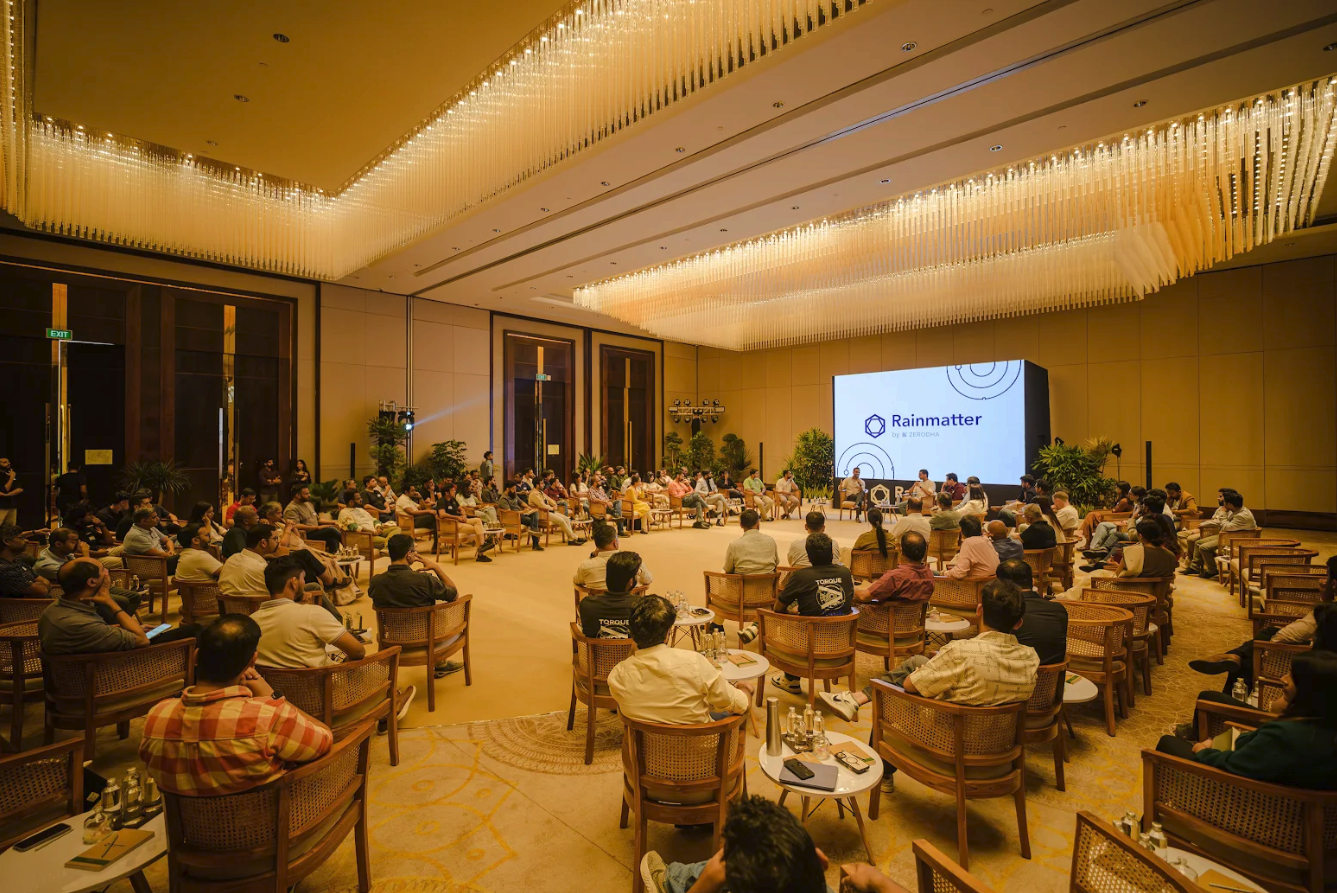
The long story around our “thesis” aside, fast forward 5 years, and we now back 45 climate startups. They are across sectors such as Agri, Energy, Materials, Waste management, Plastics management, Water management, Air quality management, Biostimulants, and Deep tech value chains. For the first time, we got all of them to meet each other a few days ago. The idea was to not just get them to meet, but also to openly share their thoughts, their journeys, and more importantly, their insecurities. We also feel that the time is here for climate startups and solutions to go mainstream. Which made it even more important to share that with all of our teams.
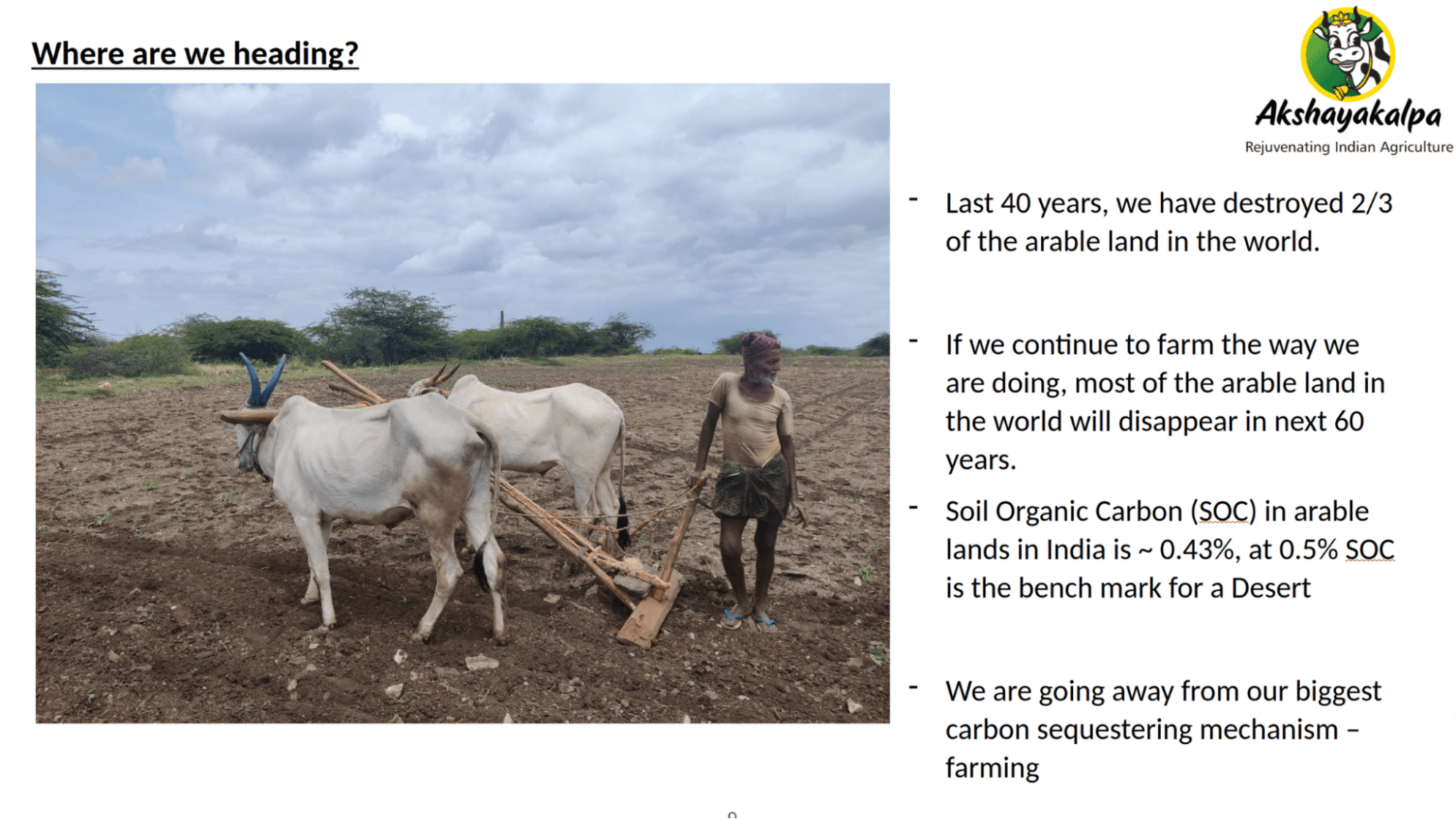
Before we list out the key takeaways of the event itself, the one theme that emerged from the catch up was the phrase that Shashi, Founder of Akshayakalpa used. He said, “Recruitment needs proof”. I think he meant this in the context of his team, who have stuck together for a long time, solving the most important problems in Agri. But it stuck with me so much that I have also titled the blog with the same phrase. I think it was such a meaningful thing to say. Simple, yet very deep. The proof that there is meaningful work we can all do together. So, for all wanting advice on how to hire well, how to find the right partners, the answer is in the proof of execution. Because anything you want to associate with or partner with, will need proof. But that aside, we had so many of our founders share things that can benefit the wider ecosystem. Here goes.
- Do not let investors tell you how to run your business or what to build. This is a problem for you to solve. I think it is important to say this time and again. For most businesses, investors add lots of value with connects, ideation, but I think for most parts getting out of the way of the founder/entrepreneur is most important. They are the ones spending all their time in the business and know the context. Surely the investors would know the numbers and financial outcomes well with all the models on excel. But if there is one thing businesses should not outsource is the building the business part. That heart and soul should always be with the teams that have more to lose than investors.
- The role of luck and being at the right place at the right time cannot be overstated enough. Be it climate, deep tech, or any other sector. And for all companies we see in the ecosystem that have been successful, all have benefitted from moments where they have gotten lucky. For Zerodha it was the 2016-2017 phase where Aadhaar became mainstream, data became cheaper, and mobile penetration in the country also increased. Without these inflection points, things could have been vastly different. The same for every other company that has something to show for. And this was personified by a few startups we have in the portfolio who have been at it for 10-15 years and are now finding support from the ecosystem. It is a tough journey, but to really have conviction and the ability to work on problems that really matter takes a lot of courage. I think more startups need to hear that it takes time to really be successful.
- I think lots of investor arranged meet ups are very monologue-heavy. I don’t mean all of them, but quite a bit of them. There are panels, there are knowledge sessions. But what really matters to people building companies is being heard, and knowing there are folks around them who understand the problem. We hope a lot more folks in the ecosystem meet entrepreneurs in an open setting, where they get to hear the good, bad, and ugly parts of being associated with investors. In fact we were quite eager to hear about all things we can do better. We heard from our startups how they would appreciate support on the policy changes front, on the compliance streamlining front, on the data collection and analysis front too. We were keen to figure answers to all of it and have it on our to do.
- We heard from our teams on how they find it tough to hire and retain talent. This is probably a problem every startup has. But what they all articulated was also that even when their team members join and want to join other opportunities in the same sector, they struggle to help out. I think as an ecosystem there is more for all of us to do on this front. I think some of the smart, driven, and talented folks from say manufacturing could be lost to IT or some other sectors, just because there is ease in reaching those opportunities. Years of skill and education lost. Apart from just the general hiring problem, one founder specifically pointed out how he got a team together with just the initiative of opening up all things the company did. I felt this was something more early stage founders need to hear and know that it works. To hire a great team to start with, who are considered owners of the company helps offset the benefits of higher salary and all the other incentives. The experience of building a company from scratch is not trivial.
- A lot of founders voiced how they all seek to influence policy and had really cool ideas. One of our learnings interacting with policymakers has been that it is a good idea to generally represent ideas, changes and improvements as an industry. The incentives are aligned. The efforts are aligned. We will try to narrow down on a few specific policy items in the climate space over the next few weeks and share it publicly too for everyone else to benefit from. And we will also invite others from the industry to come participate. Only collaboration works in this space.
- While we are on partnerships, I think it must also be said that as a company, startups have to be careful about who they partner with. As they say, never get into any relationship that you cannot walk away from. Especially on the investment side, entrepreneurs around us are all so careful about picking investors who align with the mission and vision. I think this needs to be repeated anyway. Having a team and an investor group who believe in the long-term nature of building in the climate space for example, is super critical. While some of the investors might have shorter time frames, setting expectations right at the top avoids all the confusion and struggle later.
- I think all startups need to be thought leaders. Not all can, but all must aim to be one. Try. And if there are things the ecosystem can do for you, ask. Tell us all what we can enable. Whether you are from the portfolio or not, we are happy to help. We had so many startups share how they have benefitted from having original thoughts about business models, challenges and things that work. Customers pay attention, govt pays attention, policymakers pay attention.
- Finally, focus on storytelling. In all the hustle of building your dream company, you must also squeeze in time to share a bit about how you are doing what you are doing. And more importantly, the why. I think in today’s age, if you do not tell your story, nobody else will. If there are startups out there with stories that need to be told, we can help on that front too. We have startups in the portfolio who can also help out on this front. Thanks to all of our media and storytelling investments.
Phew, quite a long list of things that we wanted to open source to all startups outside the portfolio also.
Beyond these discussions, we also had a few teams come and share how they can be of help,
- Our Foundation team spoke about areas in which they can help with. Our Foundation team works with communities, projects, and social sector contributors to enable change in our approach with all things that can benefit Climate. While at the face of it, startups might not see any benefit in engaging with Foundations, I think some of the changes can only happen through ecosystem efforts, which is easier for the social sector to do. Especially when it is about bringing in people from different orgs under one roof.
- We had the Prayoga team share a bit about research capabilities. Like Prayoga there are so many other institutions that can enable research and development for startups. We are finding ways to enable this for not just our startups but the wider ecosystem. It could be existing infra, existing investments that can be used to test, prototype or even just tinker. India needs more of these open-source solutions.
- We had the EBTL team share a bit about the one inhouse rewilding project we had. While we talk quite a bit about climate, I think it is also important for us to see how difficult it is to really execute projects. This was the reason why we picked up the project and we are finding ways to get more people to do this and enable more rewilding. One of the lowest-hanging fruits.
- We are also building a small community of Founders from the ecosystem who can come help our founders with tough questions. If you are someone who would want to give back 1-2 hours of your time to startups building early on, and have existential questions, do write to us.
For climate and some of the hard-to-build sectors, I think there is help needed on multiple fronts. We are thinking of ways in which we can enable all of it for not just our startups, but everyone else. If any of this resonated with you, we would love to hear from you. If there is anything we can do to help, we are always around. It is amply clear from the catch-up that it will take all of us- not just the room, but the wider ecosystem, to even move the needle a tiny bit. ♥️

Hello this is Nevil Shah from Mumbai. I’m passionate about helping founders turn bold ideas into scalable businesses. As a Venture Scout. I specialize in identifying promising early-stage startups and connecting them with investors who believe in innovation and impact. I act as the bridge between founders building the future and investors ready to back it. My mission is simple — to empower visionary entrepreneurs with the right capital, mentorship, and market connections to accelerate their journey from concept to success.Whether you’re preparing for your first round or expanding your growth stage, I help you: Refine your pitch and positioning for investors. Connect with angels, VCs, and strategic partners Gain insights into market trends and funding opportunities. Build lasting relationships within the global startup ecosystem. If you’re a founder ready to raise or scale, let’s connect. I would like to work with your company. 🚀
Sir can we connect
“Recruitment needs proof” is such a powerful takeaway. The emphasis on execution, openness, and long term conviction especially in something as complex as climate really stands out. Also appreciated the honesty around luck, ecosystem gaps, and the need for better storytelling. This is the kind of thinking that can actually move the needle.