


October 12, 2026
Consolidated Account Statement (CAS)
Satya Sontanam | Uncategorized
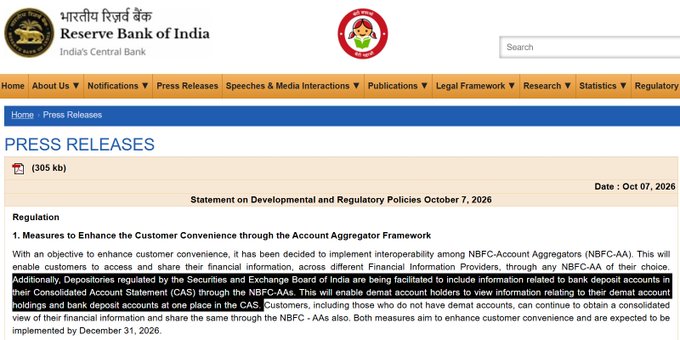
The Reserve Bank of India (RBI) recently announced that bank deposits will soon be included in the Consolidated Account Statement (CAS). This means you will eventually be able to see your savings and fixed bank deposits alongside your stocks, mutual funds, and other investments on a single document.
To understand why this is a helpful update, it is useful to know what CAS actually is, what information it currently contains, and how you can access yours.
What Is a Consolidated Account Statement (CAS)?
A Consolidated Account Statement, commonly known as CAS, is a single document that brings together details of your investments across different financial platforms.
Managing investments can often become chaotic if you use different brokers or invest in mutual funds through multiple apps. CAS solves this problem by consolidating your entire investment footprint into one single statement.
What Does Your CAS Currently Include?
Even before the recent announcement regarding bank deposits, CAS already aggregated a significant portion of your financial portfolio.
Currently, a CAS includes:
- Stocks: Holdings across all your demat accounts, regardless of the broker.
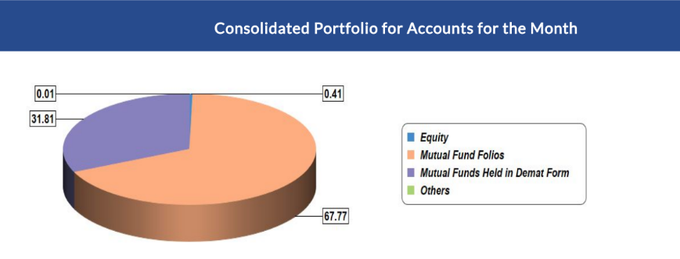
- Mutual Funds: All mutual fund holdings, including those held in demat form as well as direct folio holdings outside demat accounts.
- Securities and Bonds: Government securities, corporate bonds, and other instruments held within your demat accounts.
Your National Pension System (NPS) investments can also be included in your CAS. However, this does not happen automatically.
To view your NPS holdings in your CDSL or NSDL CAS, you need to provide explicit consent through your NPS Central Recordkeeping Agency (CRA) website. If you do not give this consent, you will continue to receive your NPS account statement separately.
Key Details You Can Find in Your CAS
CAS is not just a plain list of your current holdings. It provides detailed operational insights into your portfolio:
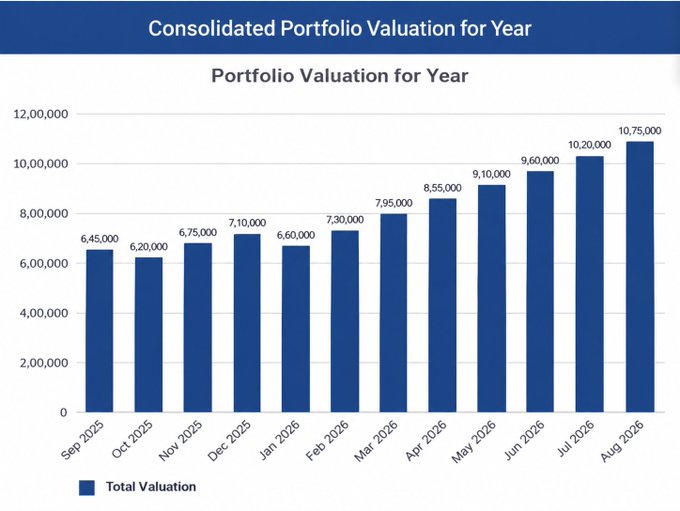
- Portfolio Value and Trends: It shows your total portfolio value and highlights how it has changed over time.
- Transaction History: It tracks systematic investment plans (SIPs), redemptions, switches, and other regular transactions.
- Mutual Fund Fees: In its half-yearly statements, CAS discloses mutual fund distributor commissions and expense ratios.
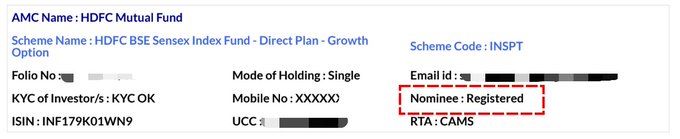
- Nomination Details: It clearly displays the nomination status for your accounts.
Note that while CAS offers a detailed view of transactions and values, it currently does not provide an explicit asset allocation or portfolio breakdown.
Pay Attention to Your Nomination Status
One crucial detail to review in your CAS is your nomination status. The statement displays whether a nominee is marked as ‘registered’ for each of your demat accounts and mutual fund folios.
If you find an account or folio where no nominee is registered, it is strongly advised to complete the nomination process immediately. Registering a nominee ensures your assets can be smoothly passed on to your legal heirs without unnecessary legal friction.
How and Where to Access Your CAS
CAS is generated and issued by India’s two depositories: CDSL (Central Depository Services Limited) and NSDL (National Securities Depository Limited).
- Monthly Email Statements: If you have executed any financial transactions in your demat accounts or mutual funds during a given month, you will generally receive your CAS by email at the end of that month.
- Half-Yearly Statements: If there are no transactions in your accounts, the depositories will send you a half-yearly statement instead.
To locate your statement quickly, search your email inbox using terms like “CAS”, “CDSL”, or “NSDL”.

The Latest Update: RBI to Include Bank Deposits in CAS
The latest development from the RBI marks a significant step toward a truly unified financial overview. Bank deposits are set to be integrated into the Consolidated Account Statement.
Once implemented, you will no longer need to log into individual banking apps or check multiple statements just to trace your cash deposits alongside your capital market investments. The RBI expects this integration to be fully operational by December 31, 2026.
Conclusion
The Consolidated Account Statement serves as a single source of information for your personal investments. By bringing stocks, mutual funds, bonds, and soon bank deposits under one roof, CAS makes tracking your net worth and managing administrative tasks like nomination verification far simpler. Keeping an eye on your monthly or half-yearly CAS is a simple habit that helps keep your financial life organized.